The 7 Must-Know Logo Trends for 2026
Discover the 7 biggest logo design trends of 2026: neo-skeuomorphism, bold geometry, expressive typography, and more. Get inspired for your next creation.
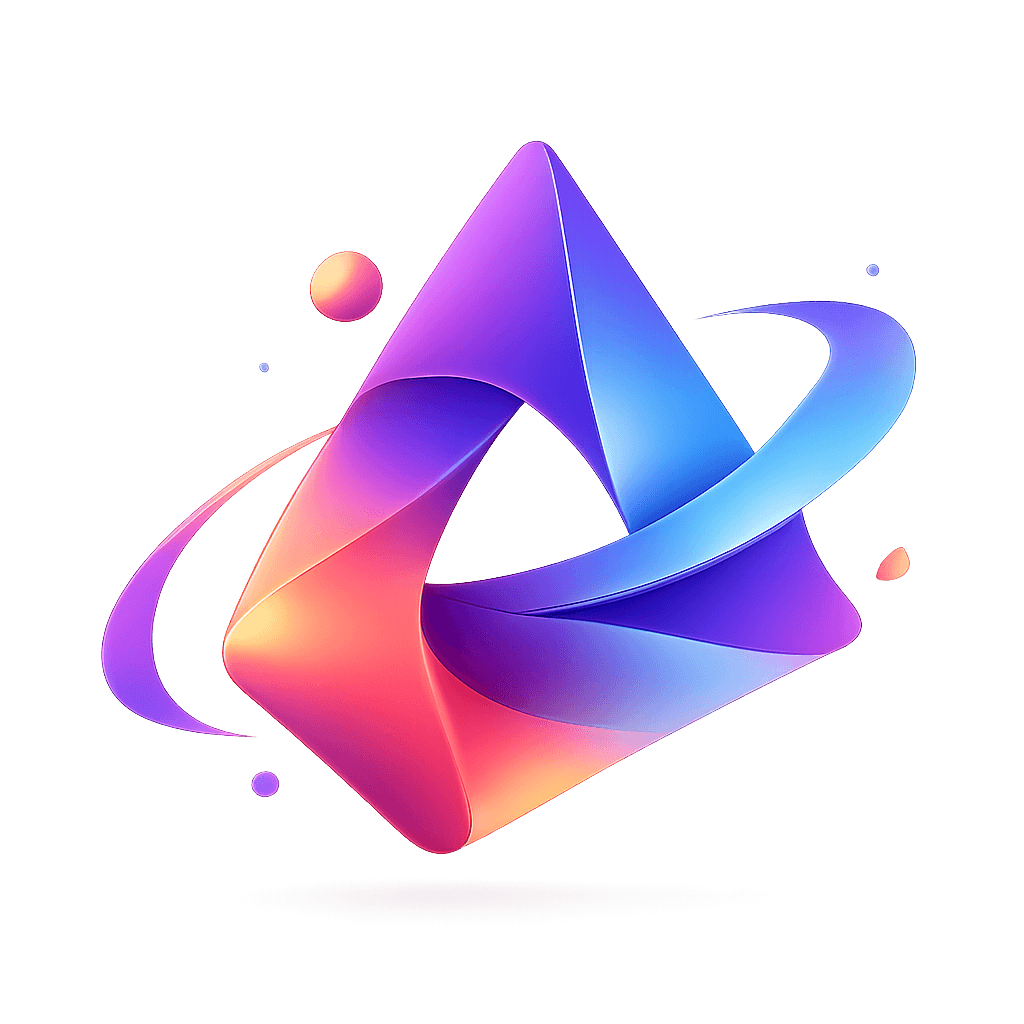
Introduction: logos in 2026
Logo design is constantly evolving, reflecting the cultural, technological, and aesthetic shifts of our time. In 2026, there's a clear move toward more warmth, depth, and authenticity. The cold, generic minimalism of the early 2020s is fading: brands now want to stand out with more expressive and memorable visual identities.
After reviewing insights from industry experts — Creative Bloq, Shopify, 99designs, and Digital Synopsis — here are the 7 major logo trends defining this year.
1. The return of depth and neo-skeuomorphism
After a decade dominated by flat design, logos are regaining dimension. Subtle shadows, slight bevels, lighting effects: neo-skeuomorphism brings a tactile, premium feel to visual identities.
Unlike the heavy skeuomorphism of the early 2010s, this new approach remains clean and refined. The goal isn't to replicate reality, but to add a touch of depth that makes the logo feel more alive — whether on a screen, packaging, or business card.
Why it matters: in a world saturated with flat logos, depth helps your brand stand out.
2. Bold and asymmetric geometry
Geometric shapes have always had a place in logo design, but in 2026, they're becoming more bold, asymmetric, and unexpected. We're seeing compositions that play with proportions, blending organic shapes with strict geometric structures.
This trend reflects a desire to break the mold and create logos that surprise. Tech companies, startups, and creative businesses are especially drawn to this style.
Tip: asymmetry works best when it's intentional. Work with a designer to find the right balance.
3. Expressive and handwritten typography
Typography is once again becoming a central element in logos. In 2026, we're seeing a rise in expressive typefaces: hand lettering, custom typography, characters with real character.
This trend reflects a need for humanity and personality. Generic fonts (Helvetica, Montserrat) are giving way to unique typographic creations that become the logo itself.
Inspiring examples: recent rebrandings like Jaguar's show this push for distinctive typography, even if not every reinterpretation is universally praised.
4. Adaptive and responsive logos
A logo today needs to work across dozens of formats: a 16px favicon, an Instagram story, a large-format poster, augmented reality... Adaptive logos (or "responsive logos") are designed as a system rather than a single visual.
In practice, an adaptive logo comes in several versions:
- Full version (logo + text)
- Simplified version (icon only)
- Monochrome version
- Animated version for digital
In 2026, designers think "identity system" rather than "one fixed logo."
5. The retro-futuristic blend
Retro-futurism is a movement that fuses vintage aesthetics (1960s-80s) with futuristic elements. In logo design, this produces creations that combine nostalgia and innovation: retro typography with modern gradient effects, Art Deco shapes reimagined with neon colors.
This trend works especially well for brands that want to evoke a heritage while remaining firmly forward-looking.
6. Complex and multicolor gradients
The gradient, popularized by Instagram in 2016, is entering a new phase. In 2026, gradients are becoming more complex, multicolored, and dynamic. We're talking about "mesh gradients" that create natural, organic lighting effects.
These gradients bring warmth and emotion to logos while making them more visually memorable. They work particularly well on digital platforms.
Caution: a logo with a complex gradient must also work in monochrome. Always think about variations.
7. Authenticity and the handmade look
In a world where AI can generate logos in seconds, paradoxically, demand for authentic, handmade, and imperfect logos is booming. Textures, brush strokes, and intentional imperfections are becoming markers of quality.
Consumers are looking for humanity behind brands. A logo that shows the artist's hand creates a stronger emotional connection than an automatically generated design.
This is precisely why platforms like Wilogo, which connect businesses with real professional designers, remain more relevant than ever.
How to apply these trends to your logo
Following trends is one thing. Applying them wisely is another. Here are our recommendations:
- Don't follow blindly: a trend is only worth pursuing if it fits your brand and your audience.
- Think long-term: the best logos outlast fads. Draw inspiration from trends, but aim for timelessness.
- Test across all formats: make sure your logo works just as well as a favicon as on a billboard.
- Work with a professional: a designer can integrate these trends while respecting design fundamentals.
To go further, check out our complete guide to brand guidelines.
FAQ
Should I change my logo to follow trends?
Not necessarily. A well-designed logo can last for years. However, a refresh may be appropriate if your logo is over 10 years old or no longer works on today's digital platforms.
What's the most lasting trend in 2026?
Adaptive (responsive) logos and authenticity are probably the most enduring trends, as they address structural needs rather than purely aesthetic ones.
Do AI-generated logos follow these trends?
AI tools are gradually incorporating these trends, but they often produce generic results. For a truly trendy and unique logo, a human designer remains the best option. Our AI vs. designer comparison covers this in detail.
How do I know if my current logo is outdated?
Ask yourself: does it work at small sizes? Is it distinctive against your competitors? Does it reflect your current values? If you answer no to any of these, it might be time for a redesign.